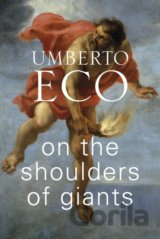
The final collection of essays from the internationally acclaimed and bestselling author of The Name of the Rose and The Prague Cemetery, on the subjects of art and culture. In this collection of essays we find Umberto Eco's perennial areas of ... Zobraziť viac

Umberto Eco's wise and witty guide to researching and writing a thesis, published in English for the first time. By the time Umberto Eco published his best-selling novel The Name of the Rose, he was one of Italy's most celebrated intellectuals, a... Zobraziť viac
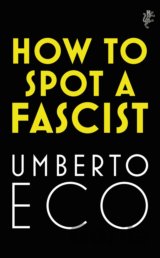
How to Spot a Fascist is a selection of three thought-provoking essays on freedom and fascism, censorship and tolerance – including Eco’s iconic essay ‘Ur-Fascism’, which lists the fourteen essential characteristics of fascism, ... Zobraziť viac

Three clever book editors, inspired by an extraordinary fable they heard years befoe, decide to have a little fun... Zobraziť viac

Holography, wax museums, the secret meaning of spectator sports, Superman and the intellectual effects of over-tight jeans are just a few of the subjects covered in this collection of witty, entertaining and thought-provoking delights from Umberto Eco... Zobraziť viac

Who is killing monks in a great medieval abbey famed for its library - and why? Brother William of Baskerville is sent to find out, taking with him the assistant who later tells the tale of his investigations. Eco's celebrated story combines elements... Zobraziť viac

The most famous Italian novel, retold for children... Zobraziť viac
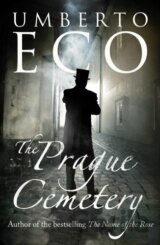
Nineteenth-century Europe abounds with conspiracy both ghastly and mysterious. Jesuits plot against Freemasons. Italian priests are strangled with their own intestines... Zobraziť viac
Embracing the web of multi-culturalism that has become a fact of contemporary life from New York to New Delhi, Eco argues that we are more connected to people of other traditions and customs than ever before... Zobraziť viac

A provocative exploration weaving philosophy, linguistics, sociology, anthropology, and aesthetics. This erudite work raises fascinating questions, inviting considerable probing. Zobraziť viac

Set in Italy in the Middle Ages, this is not only a narrative of a murder investigation in a monastery in 1327, but also a chronicle of the 14th century religious wars, a history of monastic orders, and a compendium of heretical movements. Zobraziť viac
Umberto Eco was an international cultural superstar. A celebrated essayist as well as novelist, in this, his last collection, he explores many aspects of the modern world with irrepressible curiosity and wisdom written in his uniquely ironic voice. Writte Zobraziť viac
The perfect gift for book lovers: a beautifully designed hardcover in which two of the world's great men have a delightfully rambling conversation about the future of the book in the digital era, and decide it is here to stay... Zobraziť viac
Nineteenth-century Europe abounds with conspiracy both ghastly and mysterious. Jesuits plot against Freemasons. Italian priests are strangled with their own intestines... Zobraziť viac
Set in Italy in the Middle Ages, this is not only a narrative of a murder investigation in a monastery in 1327, but also a chronicle of the 14th century religious wars, a history of monastic orders, and a compendium of heretical movements. Zobraziť viac
Yambo, a sixtyish rare-book dealer who lives in Milan, has suffered a loss of memory-he can remember the plot of every book he has ever read, every line of poetry, but he no longer knows his own name, doesn't recognize... Zobraziť viac
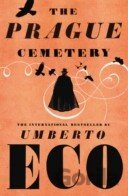
Nineteenth-century Europe - from Turin to Prague to Paris - abounds with the ghastly and the mysterious. Conspiracies rule history. Jesuits plot against Freemasons... Zobraziť viac

The year is 1327. Franciscans in a wealthy Italian abbey are suspected of heresy, and Brother William of Baskerville arrives to investigate. When his delicate mission is suddenly overshadowed by seven bizarre deaths, Brother William turns detective... Zobraziť viac

How to Spot a Fascist is a selection of three thought-provoking essays on freedom and fascism, censorship and tolerance – including Eco’s iconic essay ‘Ur-Fascism’, which lists the fourteen essential characteristics of fascism, ... Zobraziť viac
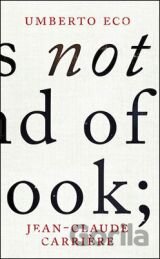
‘The book is like the spoon: once invented, it cannot be bettered.’ Umberto Eco These days it is almost impossible to get away from discussions of whether the ‘book’ will survive the digital revolution. Blogs, tweets and newspaper articles... Zobraziť viac